Learning about Native American history is incredibly important to understanding the impact it has had on US development. It allows us to gain insight into the unique experiences, struggles, and contributions of Indigenous peoples in this country. Understanding this history helps us to recognize systemic inequities that persist today and provides a means for making meaningful change towards reconciliation. Native American history also offers perspective on how diverse cultural practices have shaped our nation's evolution; from language and art, to food and spirituality. By appreciating this heritage, we can better appreciate the complex tapestry of our country's identity and ensure that no group is forgotten or overlooked in our collective narrative.
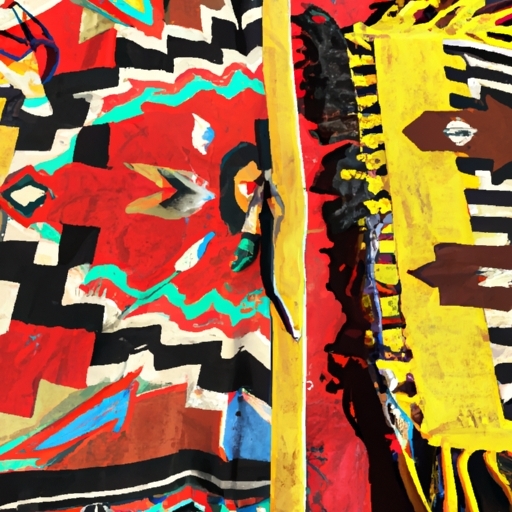
It is important to learn about Native American history in order to understand and appreciate the culture, religious beliefs, and customs of this incredible group of people. Learning about their history can help us gain an appreciation for their cultural practices, which are integral parts of their lives. By understanding these traditions and beliefs, we can have a greater respect for the Native Americans and recognize their contributions to our society. Studying Native American history also helps us better comprehend the impact that colonialism had on them and how it shaped modern life in North America. Furthermore, learning about the struggles they faced can be very enlightening and provide valuable insight into current issues facing Indigenous populations today. It can also inform us on how we should treat Indigenous peoples with respect and dignity to ensure that everyone has equal rights. Ultimately, gaining knowledge about Native American history is essential in order to build bridges between cultures and create a more unified world.
History and Origins of Native American Outdoor RugsIt is essential to learn about Native American history in order to recognize the injustices that they have faced over time. From colonization to displacement, native peoples have been subjected to immense suffering and discrimination. The effects of this can still be seen today in various forms such as disproportionate poverty levels, inadequate healthcare resources, and cultural erasure. It is therefore imperative for us to understand how our current society has been shaped by these past injustices in order for us to counter present-day discrimination and create a more equitable future. By educating ourselves on Native American history, we acknowledge the wrongs done to them and take steps towards rectifying those wrongs with meaningful action.
It is essential to learn about Native American history in order to understand and recognize how colonization has profoundly impacted their way of life. Colonization brought about abrupt changes in the lives of Native Americans, from the displacement of communities to cultural erasure. Such changes have had long-term consequences on the economic, social and political position of many Indigenous people today. By understanding this history, we can actively work towards building a more equitable society that respects Indigenous rights and celebrates their culture and traditions. Moreover, learning about Indigenous history helps us better appreciate our own identity as nations built upon these lands. We can further use this knowledge to foster meaningful dialogue with Native American communities and strive for reconciliation between all peoples living in what is now known as North America.
It is very important to learn about Native American history, as it provides an invaluable insight into the contributions made by indigenous people to US society. These contributions are varied and far-reaching, from sharing their knowledge of the land to providing a rich cultural heritage that has shaped our nation today.
Native Americans have provided numerous unique ingredients for food and medicine, which have been integral in aiding humanity's development. Moreover, they have made profound advances in art, music and literature, helping foster a strong sense of identity and belonging among all Americans. Finally, they have left us with an enduring legacy of resilience and strength in the face of adversity.
Learning about Native American history is essential to understanding not only our past but also our present. It can help us develop empathy towards marginalized communities and better appreciate the vital role played by indigenous peoples in building a stronger United States. Ultimately, such learning can lead to greater awareness of how we can build more inclusive societies where everyone can thrive together.
Gaining a better understanding of US-Native American relations is essential for appreciating the complexity and value of Native American history. It allows us to appreciate the unique challenges faced by indigenous people, including their struggles to maintain their culture and traditions in the face of displacement, assimilation, and marginalization. Moreover, it provides context for how US policies towards Native Americans have evolved over time and why they remain so relevant today. Learning about this history also helps us recognize our own biases and preconceptions about Native American communities, allowing us to more effectively engage with them in respectful ways. Ultimately, gaining an awareness of this important part of our nation's past is essential for creating meaningful relationships between all citizens today.
Learning about native American history is essential for fostering a greater respect for their cultures, traditions, and values. It allows us to gain insight into the struggles and triumphs of indigenous people in our society. Studying this history helps us to understand how these groups have been impacted by colonialism and other oppressive forces throughout history. Furthermore, it gives us an appreciation for the diversity of perspectives that exist within native communities. By understanding the unique contributions they have made to our nation’s culture, we can develop a more tolerant outlook towards those who are different from ourselves. Ultimately, respecting native American cultures, traditions, and values can lead to more meaningful relationships between diverse peoples in our society.
It is essential to learn about Native American history in order to appreciate the complexity and significance of their culture. This knowledge can help us understand current issues, foster positive representations, and promote respect for indigenous peoples in education and media. Through a better understanding of history, we can gain insight into the struggles that Native Americans have had to contend with, including colonization, displacement, and exploitation. Additionally, this understanding can lead to greater awareness of the contributions made by these populations throughout history. By recognizing their accomplishments and diverse heritage, we can create more accurate and respectful portrayals of Native Americans in both educational materials and media outlets. Furthermore, learning about the history of these communities will provide us with an appreciation for their resilience despite long histories of discrimination as well as an understanding of how they continue to make lasting impacts on society today. In short, learning about Native American history is a necessary step towards creating positive representations in education and media while also promoting respect for indigenous peoples everywhere.